
Total: ₹0.00
Taxes and shipping calculated at checkout

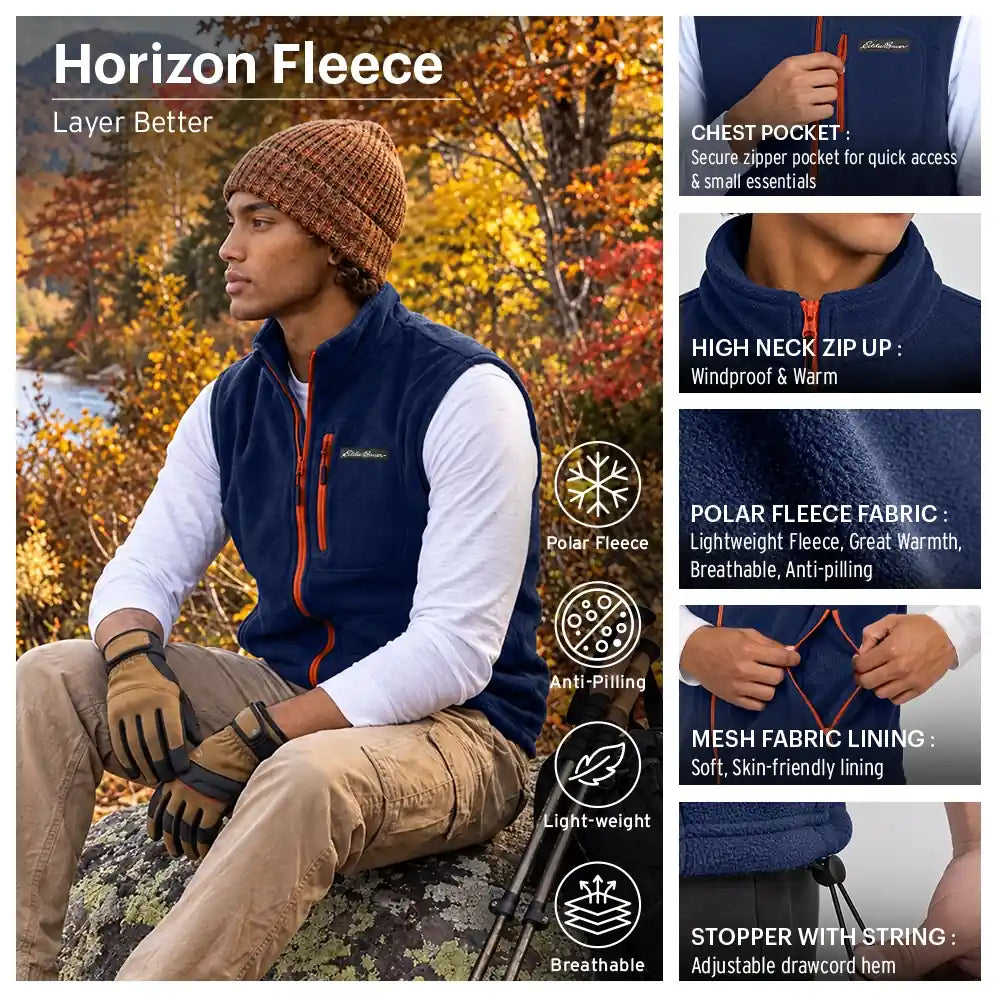
Planning a winter trip to the mountains? Before you pack, know this: Jammu & Kashmir and Ladakh sit well below freezing through peak winter. Leh routinely drops to around −10°C, Srinagar slips below −6°C, and Gulmarg shivers near −5°C — while Manali stays comparatively mild. The mistake most travellers make is packing one bulky coat for everything: too much for a mild Manali afternoon, nowhere near enough for a −15°C Ladakh night.
The right winter jacket depends on where you’re going. For Manali, a mid-weight fleece jacket or a light insulated layer is usually enough. For Ladakh and Kashmir, you need a heavy down or insulated winter jacket worn over a fleece mid-layer. Here’s exactly what to pack, and why.

Warmth needs follow the thermometer, so start here:
| Destination | Typical winter day | Typical winter night | What it means |
|---|---|---|---|
| Manali | ~7 to 10°C | ~0 to 2°C | Mild cold — fleece or light insulation |
| Kashmir (Srinagar/Gulmarg) | ~2 to 5°C | −5 to −7°C | Damp, sub-zero — fleece + insulated outer |
| Ladakh (Leh) | ~0 to −5°C | −10 to −15°C | Extreme dry cold — heavy down over layers |
One rule the figures hide: altitude. Temperatures fall roughly 2–3°C for every 1,000 feet you climb, so Ladakh’s high passes and frozen lakes run far colder than Leh town. Always pack for the coldest point of your itinerary, not the average.
Two simple numbers tell you how warm a jacket is. For fleece, it’s GSM (grams per square metre) — higher means denser and warmer, and 240 GSM is the mid-weight sweet spot for everyday winter warmth. For down jackets, it’s fill power — the higher the loft, the more warmth you get for the weight.
A quick rule of thumb for the mountains:
This is the question every traveller asks, so here’s the honest answer: they do different jobs, and in cold destinations you usually want both.
Fleece is breathable, lightweight and easy to move in, and it keeps you warm even when slightly damp. That makes it the ideal mid-layer everywhere — and a perfectly good standalone jacket for milder places like Manali. It’s also easier on your budget and packs flat.
Down gives you the most warmth for the least weight, which is exactly what Ladakh and Kashmir’s deep cold demands, and it compresses small in your bag. Its one weakness is moisture — down loses warmth when wet — so in snow you want a water-resistant outer or shell over it.
| Fleece jacket | Down jacket | |
|---|---|---|
| Warmth | Moderate | Very high |
| Weight | Light | Very light for its warmth |
| When wet | Still warms | Needs a shell |
| Best as | Mid-layer / mild cold | Outer layer / deep cold |
The verdict: build a layering system, not a single coat. A fleece as your mid-layer plus a down or insulated jacket as your outer covers everything from a Manali evening to a Ladakh dawn.
Mild mountain cold. A 240 GSM fleece jacket handles most days and nights; add a light shell if snow is forecast. Comfortable, packable, and all most Manali itineraries need.
Damp and firmly sub-zero. Wear a fleece mid-layer under a water-resistant insulated or down winter jacket. If you’re heading up to Gulmarg’s snow, make sure your outer layer is a true water-resistant shell.
Extreme, dry cold and intense high-altitude sun. Pack a heavy down parka over a fleece and a thermal base layer, and size it roomy enough to layer underneath. A fleece vest adds core warmth on the coldest days without restricting your arms.
No. On its own a fleece won’t handle Ladakh’s −10 to −15°C nights. Use fleece as your mid-layer and wear a heavy down or insulated jacket over it as the outer.
Plan for −6°C and below in Srinagar and Gulmarg. A water-resistant insulated or down jacket over a fleece mid-layer keeps you warm through the damp cold and snow.
Down for warmth, but it needs a water-resistant shell over it because down loses heat when wet. A fleece alone isn’t snow-ready — it’s best as the layer underneath.
Not one single jacket — but one system works for both. Carry a fleece for everywhere and add a down jacket for Ladakh. That way you pack light and stay warm across very different climates.
Down jackets compress small, so roll or stuff them into a packing sack. Pack the layering system rather than one giant coat — it’s lighter, more flexible, and easier to fit in a bag.
Match your jacket to the destination’s real temperature: fleece for mild Manali, fleece plus an insulated outer for Kashmir, and a heavy down parka over layers for Ladakh. Build a fleece-plus-down layering system and you’ll stay warm from the valley to the highest pass. Explore Eddie Bauer winter jackets and fleece layers to build yours.

Etiam vel magna sed leo feugiat cursus. Cras mollis blandit dolor. Praesent vulputate justo quis volutpat pharetra. Suspendisse


There is nothing in your cart lets add some items.


Subtotal ₹0.00
Shipping Charges Calculated on checkout


