
Total: ₹0.00
Taxes and shipping calculated at checkout

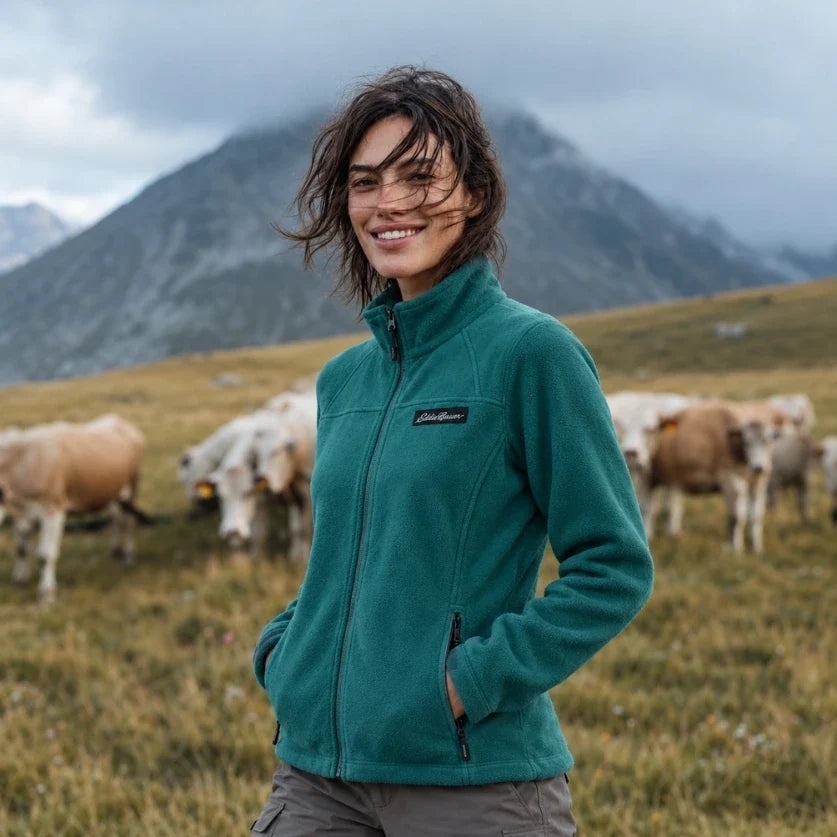
Choosing a winter jacket is not just about finding something thick or warm. The right jacket should suit the temperature, weather conditions and activities you have planned. A jacket that feels comfortable during a cool morning in Bengaluru may not provide enough warmth for a winter trip to Manali or Kashmir.
India experiences different types of winter across its regions. Some places have mild temperatures with occasional chilly mornings, while others experience freezing conditions, strong winds and snowfall. This makes it important to understand the different types of winter jackets, their fabrics and how they work with other layers of clothing.
Whether you need a jacket for everyday wear, travelling, outdoor activities or a holiday in the mountains, understanding a few important factors can help you make a better choice.
Before buying a winter jacket, consider where you will wear it most often. India's winter conditions vary considerably, so choosing clothing based on your local weather is more useful than simply buying the thickest jacket available.
Cities such as Delhi, Chandigarh, Jaipur and Amritsar experience noticeably cold winters, particularly during December and January. Early mornings and evenings can feel much colder than afternoons.
For these conditions, look for a jacket that provides comfortable insulation without making everyday activities difficult. Fleece jackets, insulated jackets and layered winter clothing can be suitable depending on the temperature.
A good layering combination can also help you adjust your clothing throughout the day.
Destinations such as Manali, Shimla, Mussoorie and Kashmir have different winter requirements. Temperatures can drop significantly, especially at higher altitudes and during periods of snowfall.
For these destinations, consider:
Insulated jackets that provide sufficient warmth.
Wind resistant outer layers for exposed areas.
Waterproof outerwear when rain or snow is expected.
Warm base layers to retain comfort in lower temperatures.
A fleece jacket can work well as an insulating middle layer, but it may not provide enough protection on its own during extremely cold or wet conditions.
Cities such as Bengaluru, Pune, Hyderabad and Mumbai generally have different winter requirements from colder northern regions.
For everyday use, a lightweight fleece jacket or comfortable outer layer may be sufficient during cooler mornings, evenings and outdoor activities.
Heavy winter jackets are not always necessary in these conditions. Choosing breathable fabrics and comfortable fits can make a noticeable difference, particularly when you are wearing the jacket for several hours.
Winter jackets are available in different styles and insulation materials. Each type serves a particular purpose, so understanding their differences will help you choose one that suits your requirements.
Fleece jackets are popular for their soft texture, lightweight construction and comfortable warmth. They are commonly made using polyester fleece fabric, which helps retain warm air while allowing moisture to escape.
Some of the reasons people prefer fleece jackets include:
Lightweight construction.
Comfortable fabric for everyday use.
Breathable material.
Suitable for layering.
Easy to pair with casual and outdoor clothing.
Fleece jackets are particularly useful for mild to moderately cold conditions. They can also be worn as a middle layer underneath a protective outer jacket when temperatures drop.
If you prefer comfortable winter clothing for commuting, travel or casual outdoor activities, explore the fleece jackets for men and fleece jackets for women.
Puffer jackets are designed with insulated sections that help trap air and retain body heat. They are commonly available with synthetic or down insulation.
Their padded construction makes them suitable for colder conditions, depending on the insulation used.
When buying a puffer jacket, check the insulation material, construction, fit and weather protection features. These details can influence how comfortable the jacket feels in different environments.
Down jackets use natural insulation obtained from the soft feathers found beneath the outer feathers of ducks or geese.
They are valued for their warmth relative to their weight and are often used in colder climates.
When comparing down jackets, consider fill power, insulation weight and the quality of the outer fabric. Down insulation also needs appropriate protection from moisture because getting wet can reduce its insulating performance.
Softshell jackets and windbreakers are useful for outdoor activities where flexibility and protection against wind are important.
They are generally designed to offer greater freedom of movement than heavily insulated jackets.
However, not every windbreaker or softshell jacket is waterproof. Check the product specifications before choosing one for rainy conditions or mountain travel.
After understanding the different jacket types, consider the features that directly affect comfort and usability.
Fabric plays an important role in how a jacket feels and performs.
Common materials include:
Polyester fleece: Soft, lightweight and suitable for comfortable insulating layers.
Nylon: Commonly used in outer shells for durability and weather protection.
Polyester insulation: Used in insulated jackets to retain warmth.
Down insulation: Provides lightweight warmth for colder conditions.
Wool blends: Often used in winter clothing for warmth and everyday comfort.
The best material depends on the climate and intended use. For example, a breathable fleece layer may be a practical choice for everyday winter wear, while a properly insulated jacket with a protective shell may be more suitable for colder mountain conditions.
Not all winter jackets provide the same level of warmth.
A fleece jacket, an insulated puffer and a down jacket work differently. Their warmth depends on factors such as fabric construction, insulation type, garment design and how they are worn with other clothing.
For regular winter use, a comfortable midweight jacket may be sufficient. For colder destinations, consider additional insulation and suitable outer protection.
A jacket should provide enough warmth without restricting your movement.
Lightweight jackets are convenient for travelling, commuting and everyday activities because they are generally easier to carry and layer.
Before purchasing, consider where you will wear the jacket and how long you expect to keep it on. A comfortable fit is particularly important when walking, driving or spending time outdoors.
Breathability matters when you are physically active or moving between indoor and outdoor environments.
A jacket that retains too much heat without allowing moisture to escape can become uncomfortable during extended use.
Breathable materials such as fleece can be useful for walking, travelling and everyday outdoor activities.
The right fit allows you to wear comfortable clothing underneath without restricting movement.
Consider these points before selecting your size:
Check the chest, shoulder and sleeve measurements.
Make sure the jacket allows comfortable arm movement.
Consider whether you will wear a thermal or sweater underneath.
Check the garment length and collar design.
Refer to the brand's size chart before ordering.
A jacket that fits properly will be easier to wear throughout the season.
Water resistant and waterproof are not the same thing.
Water resistant fabrics can provide some protection against light moisture, depending on their construction and treatment. Waterproof jackets are designed to provide a higher level of protection against rain when they have suitable waterproof construction.
Fleece jackets are primarily designed for warmth and comfort. They should not be treated as substitutes for waterproof outerwear during heavy rain.
For outdoor travel, check whether the jacket includes a protective finish, waterproof membrane or sealed seams, depending on the level of protection you need.
Fleece jackets are a useful addition to a winter wardrobe because they offer a balance of warmth, comfort and versatility.
Unlike bulky winter coats, fleece jackets can be worn over everyday clothing or underneath another outer layer when additional protection is required.
Here are some reasons to consider a fleece jacket.
Fleece jackets provide an additional layer of warmth without the bulk associated with some heavily insulated winter clothing.
They can be useful for morning walks, daily commutes, casual outings and travelling during cooler weather.
During travel, you may experience changing temperatures throughout the day. A fleece jacket is easy to wear over a T-shirt or another base layer and can be combined with additional clothing when necessary.
Its lightweight construction also makes it convenient to carry during weekend trips.
One of the biggest advantages of fleece is its versatility as a middle layer.
You can wear it over a base layer for everyday warmth or underneath a suitable outer shell when travelling to colder destinations.
When choosing a fleece jacket, consider features that make it easier to wear regularly.
These include:
Full length front zippers.
High collars for additional neck coverage.
Zippered pockets for carrying small essentials.
Comfortable sleeve and shoulder construction.
Adjustable hems where available.
Fabric finishes designed to help reduce pilling.
The current winter collection at Eddie Bauer India includes men's and women's 240 GSM polar fleece jackets, with styles such as the Horizon, Overland and Aurora, along with a fleece vest. These pieces offer options for everyday winter wear and layering.
Explore the winter jackets collection to compare the available styles.
Wearing multiple suitable layers is often more practical than depending on one extremely thick jacket.
A simple three layer approach can help you stay comfortable as temperatures and activity levels change.
The base layer sits directly against your body. Its main purpose is to manage moisture and help you stay comfortable.
Depending on the weather and activity, you can choose thermal wear or moisture wicking fabric.
Avoid wearing a damp base layer for extended periods in cold conditions because moisture can make you feel colder.
The middle layer helps retain warmth.
Fleece jackets, insulated jackets and sweaters are common choices for this layer.
For example, a 240 GSM fleece jacket can provide an additional layer for everyday wear and can be combined with an outer shell when the weather becomes colder.
The outer layer provides protection against external conditions such as wind and rain.
Depending on the destination, you may need a wind resistant or waterproof jacket.
For a dry winter morning, a fleece jacket may be sufficient. For a windy or rainy mountain destination, adding a suitable protective shell can make your layering system more effective.
The right jacket also depends on what you plan to do while wearing it.
|
Activity |
What to look for |
|
Daily commuting |
Lightweight construction and comfortable fit |
|
Morning walks |
Breathable fabric and easy movement |
|
Winter travel |
Versatile layers that are easy to carry |
|
Hiking and trekking |
Breathability, mobility and suitable weather protection |
|
Hill station holidays |
Warm insulation and protection against wind and moisture |
|
Casual outdoor activities |
Comfortable fabric, practical pockets and everyday styling |
For daily use, comfort and ease of movement are important. For outdoor activities, pay closer attention to weather protection, breathability and the type of insulation.
Choosing a jacket based on how you will use it can help you avoid buying something that feels unnecessarily heavy or does not provide enough protection.
A winter jacket does not have to be limited to outdoor activities. The right combination of clothing can make it suitable for daily wear and casual outings.
A fleece jacket works well with regular jeans, cargo pants and casual trousers.
For a relaxed everyday look, wear a fleece jacket over a basic T-shirt and pair it with comfortable trousers and sneakers.
For travel, cargo pants and a fleece jacket create a practical combination with enough flexibility for long journeys and outdoor exploration.
Women can pair fleece jackets with jeans, straight fit trousers or comfortable travel pants.
A fitted fleece jacket can be worn over a simple T-shirt for a casual look. During colder weather, add a thermal top underneath and an outer layer when required.
For weekend trips, comfortable trousers, walking shoes and a lightweight fleece jacket make a practical outfit.
The idea is to choose clothing that looks good while allowing you to move comfortably throughout the day.
Taking proper care of your winter jacket can help maintain its appearance and performance over time.
Different fabrics have different care requirements, so always check the washing instructions on the garment label.
Use the recommended washing method for the fabric. Some fleece jackets can be machine washed in cold water, while other materials may require more specific care.
High temperatures can affect synthetic fabrics and some insulation materials. Follow the garment's drying instructions and avoid unnecessary heat exposure.
Make sure the jacket is clean and completely dry before storing it. Keep it in a clean, dry space away from prolonged moisture.
For fleece jackets, gentle washing and appropriate drying can help maintain the fabric surface. Avoid rough washing methods that may damage the fibres.
Regular care can help your jacket remain comfortable and presentable throughout the winter season.
Choosing the right winter jacket starts with understanding your weather conditions, daily activities and preferred level of warmth.
For mild Indian winters, lightweight fleece jackets can be a practical option for everyday use, commuting and travel. If you are planning a trip to colder regions, consider additional insulation and suitable weather protection.
Eddie Bauer India offers a selection of men's and women's fleece jackets designed with features such as 240 GSM polar fleece, breathable fabric and practical pocket details.
Before purchasing, compare the available styles, check the size chart and consider how you plan to wear the jacket.
Explore the winter jackets collection to find a style that suits your winter wardrobe.
The best winter jacket depends on the local climate. Lightweight fleece jackets can be suitable for mild winters and everyday use, while insulated or down jackets may be more appropriate for colder regions. For rainy or windy conditions, consider a suitable protective outer layer.
Fleece jackets can provide sufficient warmth for many mild to moderately cold conditions in India. Their suitability depends on the fabric weight, construction, weather and personal comfort. For very cold temperatures, wearing fleece with additional insulating and protective layers is a better option.
For trips to colder hill stations, choose clothing according to the expected temperature and weather forecast. A thermal base layer, fleece or insulated middle layer and a protective outer jacket can provide a versatile combination. Waterproof protection is particularly useful when rain or snow is expected.
Fleece jackets are generally made from soft synthetic fabric and provide comfortable warmth through a lightweight construction. Puffer jackets use insulated sections to trap warm air and are designed to provide additional insulation. The best option depends on the temperature and intended activity.
Yes. Fleece jackets can be comfortable during mild winters, especially in the early morning and evening. Their lightweight construction makes them suitable for everyday wear, commuting and travel.
You can wear a T-shirt or lightweight base layer underneath a winter jacket during mild weather. In colder conditions, thermal wear or another moisture managing base layer can provide additional comfort. Add a sweater or fleece middle layer when more insulation is needed.
Check the chest, shoulder, sleeve and garment length measurements provided in the size chart. Make sure the jacket allows enough room for the layers you plan to wear underneath without restricting movement.
No, standard fleece jackets are not waterproof. They are primarily designed for insulation and comfort. For rain or snowfall, wear a suitable waterproof outer shell over the fleece layer.

Etiam vel magna sed leo feugiat cursus. Cras mollis blandit dolor. Praesent vulputate justo quis volutpat pharetra. Suspendisse


There is nothing in your cart lets add some items.


Subtotal ₹0.00
Shipping Charges Calculated on checkout


