
Total: ₹0.00
Taxes and shipping calculated at checkout

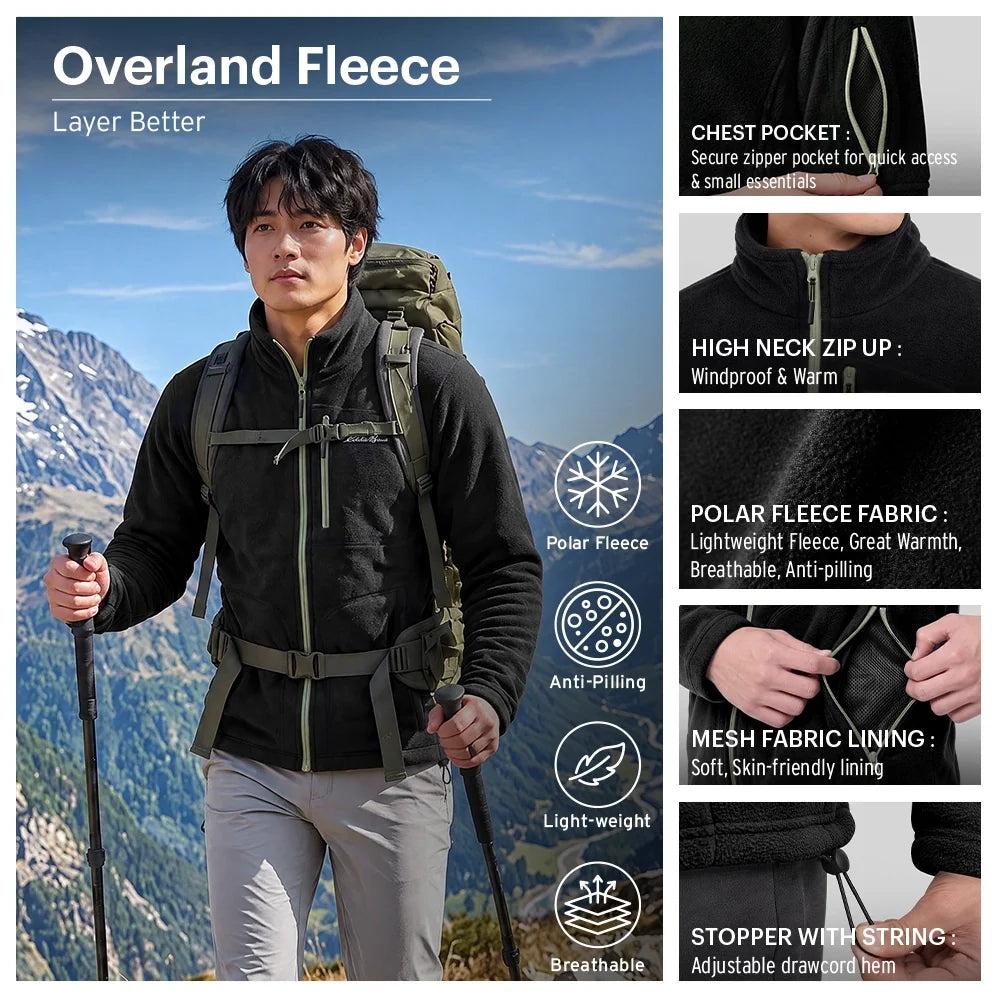
A fleece jacket is a soft, lightweight jacket made from brushed synthetic fabric — usually polyester — designed to trap warm air while staying breathable. It’s one of the most versatile layers you can own: warm without being bulky, quick to dry, and comfortable enough to wear on its own or under a heavier coat. For both men and women, a good fleece jacket is the piece that carries you through most of winter.
This guide explains what a fleece jacket is, the main types, how warmth is measured, and how to choose and wear one — whether you’re shopping for men’s or women’s fleece.
Fleece is a knitted synthetic fabric, most often polyester, that’s brushed on one or both sides to raise a soft, fuzzy pile. Those tiny fibres trap pockets of warm air close to your body, which is what makes fleece feel warm despite being so light. Unlike wool it doesn’t itch, and unlike cotton it dries fast and keeps insulating even when slightly damp. That combination — warmth, breathability and quick-drying comfort — is why fleece became a winter staple for everyday wear, hiking and travel.

Not all fleece is the same. The main types differ by thickness, texture and purpose:
Fleece warmth is measured in GSM — grams per square metre. The higher the number, the denser and warmer the fabric. It’s the single most useful spec when comparing fleece jackets:
| Fleece weight | GSM range | Best for |
|---|---|---|
| Lightweight | ~100–200 GSM | Active mid-layer, running, mild cold |
| Mid-weight | 200–300 GSM | Everyday winter wear & layering |
| Heavyweight | 300+ GSM | Very cold, low-movement days |
240 GSM sits right in the mid-weight sweet spot — warm enough to wear on its own for most Indian winters, light enough to layer under a jacket when the temperature drops. It’s the weight most people reach for first.
A fleece jacket does three jobs:
Because fleece breathes well, it keeps you warm while you move without trapping sweat — the reason it’s a favourite for active winter use.

The fabric and performance are the same; the cut and sizing differ. Men’s fleece jackets have a straighter, roomier fit through the chest and shoulders, while women’s fleece is shaped with a more tailored waist and fit. Both come in full-zip, half-zip and vest styles. So the choice comes down to fit and style, not warmth — the GSM guidance above applies to both.
Shop the fit that’s right for you: fleece jackets for men and fleece jackets for women.
For everyday wear, a fleece layers easily over a T-shirt or shirt and under a coat. In colder weather, use the layering system: a base layer against the skin, the fleece as your mid-layer for warmth, and a water-resistant shell or winter jacket on top. A fleece vest is a good alternative when you want core warmth with full arm movement.

Fleece is low-maintenance. Machine wash cold with a mild detergent, skip bleach and fabric softener (softener clogs the fibres and reduces warmth), and avoid high-heat drying — air-dry or tumble on low. This protects the pile and prevents pilling, keeping your fleece soft and warm for years.
Yes, for mild to moderate winter it works on its own, and in deep cold it’s an excellent mid-layer under a heavier jacket. A mid-weight 240 GSM fleece suits most Indian winters.
No. Fleece is breathable and insulating, not waterproof. Some have a water-resistant finish for light rain, but for heavy rain or snow wear a waterproof shell over it.
For everyday winter wear, 200–300 GSM (mid-weight) is the sweet spot. 240 GSM is warm enough to wear alone and light enough to layer.
Fleece is warmer for its weight than cotton and dries much faster, and unlike wool it doesn’t itch. Wool can be warmer gram-for-gram but is heavier and slower to dry.
The fabric is the same, but the fit differs — men’s fleece is cut straighter, women’s more tailored. Choose from the men’s or women’s range for the best fit.
A fleece jacket is the most versatile winter layer you can own — warm, light and easy to wear alone or under a coat. For most people a mid-weight 240 GSM fleece is the perfect starting point. Explore Eddie Bauer fleece jackets for men and women to find your fit.

Etiam vel magna sed leo feugiat cursus. Cras mollis blandit dolor. Praesent vulputate justo quis volutpat pharetra. Suspendisse


There is nothing in your cart lets add some items.


Subtotal ₹0.00
Shipping Charges Calculated on checkout


